-

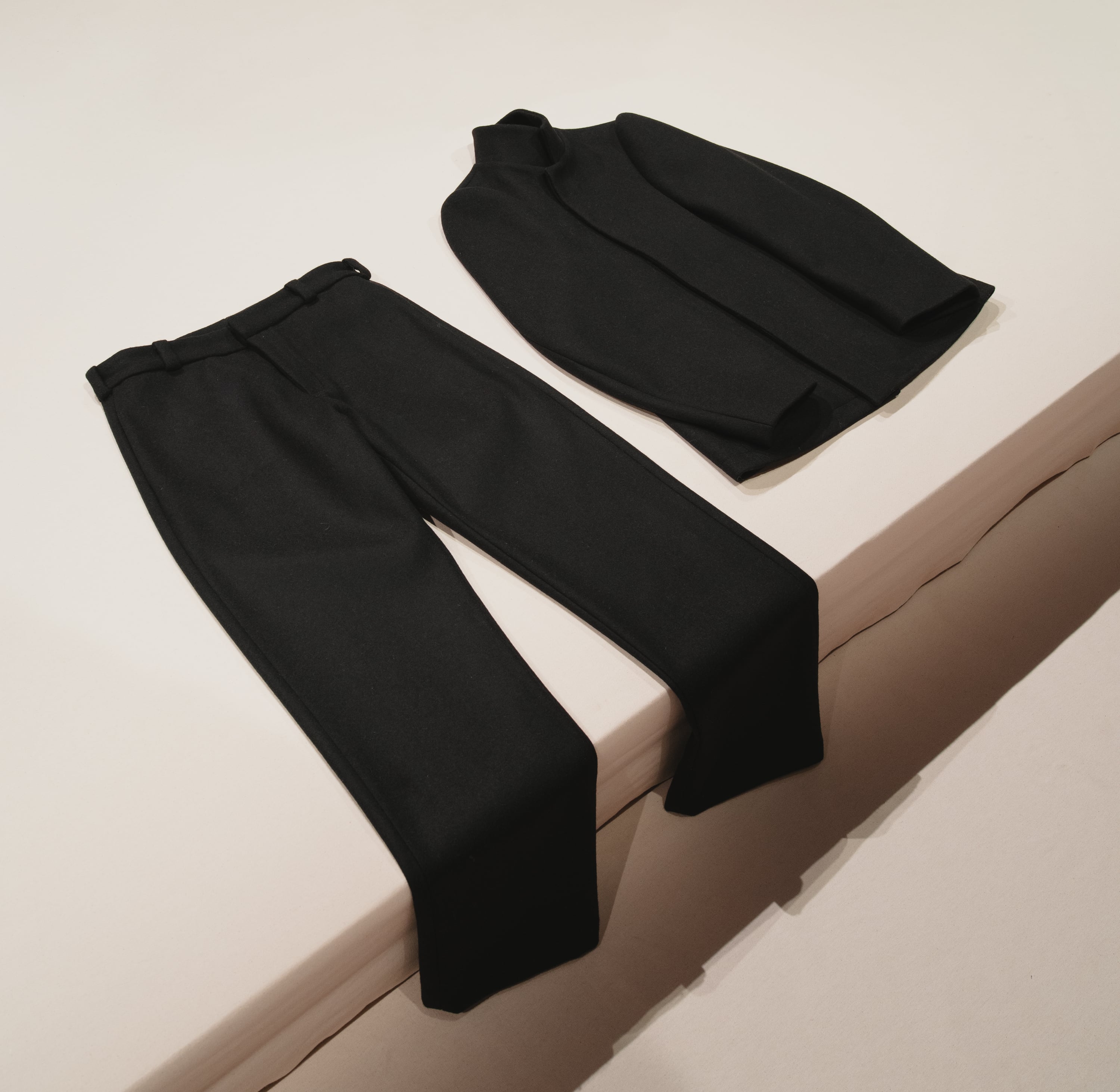
Embroidering Palestine - © MoMu Antwerp - Photo by Stany Dederen
-

Married woman from Bethlehem wearing hat and veil, Matson Photo Service, ca. 1934 – 39. Courtesy of the Library of Congress, Prints and Photographs Division.
-

Embroidering Palestine - © MoMu Antwerp - Photo by Stany Dederen
-

A photograph shows Faredah Ibrahim Farah, 1924. © The Musa Allush Collection, the Palestinian Museum Digital Archive
-

Embroidering Palestine - © MoMu Antwerp - Photo by Stany Dederen
-

Ayham Hassan, Immortal Magenta, 2025 © Niklas Haze
-

Embroidering Palestine - © MoMu Antwerp - Photo by Stany Dederen
-

GmbH, AW 2024-25 © Marco Torri
-

Zeid Hijazi, KALT, 2024 © Courtesy of Zeid Hijazi
-

Nazzal Studio, What Should Have Been Home, 2025 © Photography: Zaid Al-Lozi
-

"Jerusalem Is In the Heart" (1977), Helmi El-Touni. Edited by Dar Al-Fata Al-Arabi, Caïro. Source: Palestine Poster Project Archives
MoMu: don’t miss EMBROIDERING PALESTINE
“Embroidery, called tatreez in Arabic, is one of the most important cultural practices of Palestine. Historically, Palestinian fashion was defined by diversity, with every region known for distinct textiles, styles and stitchwork. More than a craft, tatreez in the nineteenth and early twentieth centuries was a visual language shared by women, as embroidery reflected its maker’s identity and origins.
This exhibition explores Palestinian embroidery and dress through the lenses of nature, splendour, power and change. Tatreez was a rural craft, embedded in women’s relationship to nature – from motifs inspired by Palestinian flora, to fabrics dyed with indigo grown in the Galilee. At the same time, the splendour of embroidery attested to women’s wealth and status. The wedding was a vital rite of passage, with sumptuous clothing a key element of celebrations. Golden thread, mother-of-pearl shoes, and elaborate headdresses offer a spectacular glimpse of local craftsmanship. Silver jewellery, along with certain tatreez motifs, also held talismanic significance, reflecting the power of clothing to affect and protect the body.
Today, embroidery’s power lies in its connection to Palestinian identity, as a symbol of resistance and solidarity. Since the Nakba, or catastrophe, of 1948, which refers to the mass displacement and dispossession of hundreds of thousands of Palestinians, and the establishment of the state of Israel, tatreez has become a form of cultural resistance. ‘Embroidering Palestine’ traces the politicization of the craft, the role of textiles in the assertion of identity, and the continued inspiration tatreez provides to Palestinian fashion designers in the present.
The exhibition brings together important objects on loan from the Musée du Quai Branly – Jacques Chirac in Paris, the Textile Research Centre in Leiden, and the Wereldmuseum in the Netherlands. Weaving together the historical and the contemporary, the show celebrates the rich cultural heritage of Palestine’s past alongside the designers shaping its future – including work by Ayham Hassan, GmbH, Reemami, Studio Nazzal, and Zeid Hijazi.
Curated by Rachel Dedman, an internationally recognized expert on Palestinian embroidery and Middle Eastern fashion. Since 2019, Rachel Dedman has served as Curator of Contemporary Art from the Middle East at the Victoria and Albert Museum in London. She previously curated successful exhibitions on Palestinian textile arts and brings her extensive expertise and network to this project, helping to bring the rich stories behind tatreez to life.”
– MoMu – Fashion Museum Antwerp
EMBROIDERING PALESTINE
On view:
13.12.2025 – 07.06.2026
MoMu – Fashion Museum Antwerp
Nationalestraat 28
2000 Antwerp (BE)
- Web MoMu
- Instagram @momuantwerp
- Guest curator Rachel Dedman
- Photos © Courtesy of Pr
- All further images as credited in photo captions.